
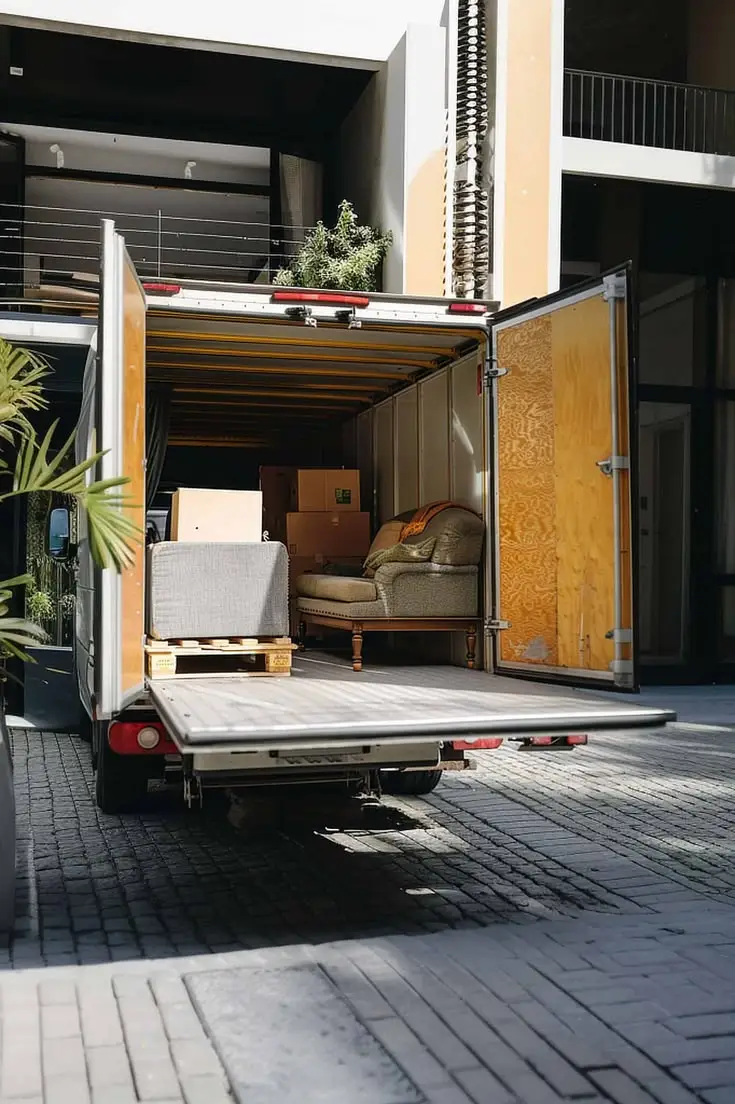
If you’re moving within Raleigh, you’ll usually be offered one of two pricing models: an hourly rate or a flat rate. With hourly pricing, you pay for the time the crew works. With flat-rate pricing, you get a fixed price for a defined scope of work, agreed upon before moving day. A flat rate is often the better fit when you want a predictable total and a clear list of what the crew will do. Hourly can win on very small moves with a light inventory.
This guide is for anyone planning a local household move in the Raleigh area, whether it’s an apartment near downtown, a townhome in North Raleigh, or a family house in a neighborhood like Five Points or Brier Creek. It covers how flat-rate pricing works, what a flat-rate move should include, where it can go wrong, and how to compare quotes.
What Is Flat-Rate Moving?
Flat-rate moving means the mover gives you one fixed price for a specific job. Instead of watching a clock, you agree on the price in advance. That price is based on details such as:
- How much you’re moving (the inventory)
- Where you’re moving from and to
- The size and type of both homes
- Stairs, elevators, and access on both ends
- Any extra services, such as packing or disassembly
The idea is simple: the mover estimates the work, takes on the risk of that estimate, and you know your moving cost before the truck arrives.
Fixed-rate and fixed-price moving mean essentially the same thing as flat-rate moving. Different companies use different terms, so don’t assume one name means a different pricing model. What matters is what the written quote says the price covers and under what conditions it can change.
Flat Rate Is Not the Same as “Cheapest”
A flat rate isn’t automatically the lowest price. It’s the most predictable one. A low hourly rate can look attractive, but the final bill depends on how long the job takes, and that’s harder to control. A flat rate can be higher or lower than what an hourly move would have cost. What you gain is certainty.
How Flat-Rate Pricing Works Step by Step
Most flat-rate local moves follow a similar process. Exact details vary by company, so confirm each step with whoever you hire.
1. You Share the Details of Your Move
The mover needs a realistic picture of your belongings and both locations. That usually means the number of rooms, large furniture items, heavy or awkward pieces, boxes you expect to have, and whether anything needs special handling.
The more accurate you are here, the more reliable the quote. Underreporting your belongings is the most common reason a fixed price later gets adjusted.
2. You Receive an Estimate
Estimates may come from a phone call, a photo or video walkthrough, or an in-person visit, depending on the company and the size of the move. A larger house with a lot of furniture is harder to quote from a phone call than a one-bedroom apartment.
3. You Review What the Price Covers
This is the step people skip, and it matters most. A good flat-rate quote states what’s included. Ask for the scope in writing, including labor, truck, and any listed fees.
4. Moving Day Happens Within the Agreed Scope
The crew loads, transports, and unloads according to the agreement. If the scope matches reality, the price stays what you were quoted.
5. Changes Are Handled According to the Agreement
If something significant changes on moving day, such as a lot more furniture than you described or an inaccessible loading area, the terms of your agreement determine what happens. This is why understanding the conditions of a flat-rate quote is as important as the number itself.
What Does a Flat-Rate Move Include?
This is one of the most common questions, and the honest answer is that it depends on the company and the quote. Still, most flat-rate residential moves are built around the same core services.
Typically Included
- Moving labor and crew: The movers who carry, load, and unload your belongings.
- Moving truck: The vehicle needed to transport your items for the agreed job.
- Loading and unloading: Getting your belongings onto the truck at the origin and into your new home at the destination.
- Furniture moving: Moving large items such as sofas, beds, dressers, and dining tables, which often includes basic protection such as pads or wrapping. Confirm this with your mover.
Sometimes Included, Sometimes Extra
- Packing services: Some movers pack your belongings for an additional charge, while others expect you to pack yourself. If you want help packing, ask whether it’s part of the price or priced separately.
- Furniture disassembly and reassembly: Beds, tables, and shelving units may need to be taken apart and put back together.
- Packing materials: Boxes, tape, and wrap may be included or sold separately.
- Heavy or specialty items: Pianos, safes, and oversized items often require extra equipment or labor and may be quoted separately.
Details That Can Affect the Price
- Stairs: Multiple flights at either location add physical work.
- Long carries: If the truck can’t park close to the door, the crew spends more time walking items in and out.
- Elevators: In apartment buildings, reserved elevator time or building rules can shape how the move is done.
- Timing: Busy times can affect availability and pricing.
The takeaway: never assume. Before you agree to a price, ask, “What exactly does this cover, and what would cause the price to change?” A trustworthy mover will answer plainly.
Flat Rate vs Hourly Moving Services in Raleigh
For most local moves, the choice comes down to predictability versus flexibility. Here’s how each model tends to work in practice.
How Hourly Moving Works
With hourly pricing, you pay a rate for the crew’s time, and the total depends on how long the job takes. Many companies also charge for travel time, and some set a minimum number of hours.
Hourly can work well when:
- You’re moving a small amount, such as a studio apartment or a few large items
- Your belongings are packed, organized, and close to the door
- The new place is very near the old one
- You’re confident the job will be quick
The risk is that anything slowing the crew down can raise your total. That includes unpacked belongings, heavy traffic, stairs, a long walk from the truck, or a home that isn’t ready when the crew arrives.
How Flat-Rate Moving Works in Comparison
With a flat rate, the price is set beforehand, so if the move takes longer than expected because of the crew’s pace, that’s generally the mover’s problem rather than yours. That’s a real advantage if you’re on a tight budget or dislike surprises.
A flat rate tends to work well when:
- You’re moving a full house or a multi-bedroom apartment.
- You have a lot of furniture or a mix of heavy and awkward items.
- You want to know the total before moving day.
- You’re coordinating other costs, such as deposits and utility setup, and need a firm number.
A Practical Way to Decide
Ask yourself two questions:
- How confident am I about how long this move will take? If you’re unsure, a flat rate removes that uncertainty.
- How much do I value knowing the final cost in advance? If the answer is “a lot,” a flat rate is likely the better fit.
If your move is small and simple, ask for both an hourly and a flat-rate quote and compare the two. There’s no reason to assume one is always better.
Local Moving in Raleigh: What Makes It Different
A local move is generally a local move within the same area, rather than a long-distance or interstate relocation. Local moves are usually priced differently from long-distance moves, which typically depend on weight and mileage. For a local job, the main cost drivers are the labor, the truck, and the complexity of the two locations.
Raleigh-Specific Things Worth Planning For
Every city has its own moving realities. In Raleigh, several factors are worth thinking about.
- Apartment and condo living: Raleigh has plenty of multi-unit buildings, especially in and around downtown and near major job centers. These buildings often have rules about elevator use, loading zones, and moving hours. Ask your property manager what’s required before moving day, since some buildings ask you to reserve time.
- Neighborhoods with older homes: In established areas, narrow doorways, tight staircases, and older layouts can make moving large furniture more difficult. Mention these details when you request a quote.
- Summer heat and humidity: Raleigh summers are hot and humid, which affects how long a crew can work comfortably and how you should protect items such as electronics and upholstered furniture. Plan for water and shade if you’re helping.
- Afternoon thunderstorms: Summer storms can pop up quickly. A morning start gives your crew more flexibility and reduces the chance of moving furniture in the rain.
- Spring pollen: Heavy pollen season can make moving day unpleasant for anyone with allergies. Wiping down items before they go into the truck can help.
- Busy moving periods: Because Raleigh has a large student and young-professional population, moving demand can rise around common lease turnover dates, especially at the end of the month and in late spring and summer. Booking earlier gives you more choice of dates and times.
None of these are reasons to worry. They’re reasons to share accurate details with your mover so the quote reflects your real situation.
Residential Moves: Apartment VS House
Residential movers handle everything from small apartments to large family homes, but the planning differs.
Apartment Moving
Apartment moves are often shorter in terms of belongings but can be more complicated logistically. Consider:
- Parking and truck access: Can the truck park close to the entrance? A long carry adds time.
- Elevator or stairs: Confirm whether an elevator is available and whether you need to reserve it.
- Move-in and move-out windows: Some communities restrict when moves can happen.
- Building requirements: Some properties require proof of insurance from the moving company. Ask your property manager what they need, then ask your mover whether they can provide it.
House Moving
House moves involve more belongings, more furniture, and more variables. Consider:
- Attics, garages, and storage areas: These are the spaces people forget to mention when requesting a quote, and they often hold a lot.
- Outdoor items: Patio furniture, grills, and yard equipment.
- Large furniture: Beds, dressers, dining sets, and sectional sofas.
- Stairs and multiple levels: Each additional level adds work.
Because house moves have more unknowns, a flat rate can be especially helpful. It gives you a fixed number for a larger, more complicated job. The tradeoff is that your inventory needs to be described carefully so the quote is realistic.
How Much Do Flat-Rate Movers Cost in Raleigh?
There isn’t one honest number to give you. Flat-rate moving cost in Raleigh depends on the size of the move, the amount of furniture, the distance between locations, access conditions at both ends, and which services you add.
Instead of hunting for an average, focus on comparing quotes on equal terms. Two quotes can look very different simply because they cover different things.
What Affects Local Moving Costs
- Volume of belongings: More items mean more labor and more truck space.
- Crew size and time required: A larger job requires more people or more hours.
- Access at both locations: Stairs, long carries, elevators, and parking all matter.
- Packing help: Having movers pack for you adds labor.
- Specialty or heavy items: These often require extra equipment.
- Timing: Peak periods can affect pricing and availability.
Ways to Keep a Move More Affordable
Affordable doesn’t have to mean cutting corners. A few practical steps can reduce costs without compromising the move:
- Declutter first: Fewer items mean less to move. Donate or sell what you don’t need.
- Pack ahead of time: If you’re packing yourself, finish before the crew arrives so their time goes to moving.
- Disassemble what you can: If your mover doesn’t include this, doing it yourself saves time.
- Clear pathways. Make sure hallways, stairs, and doors are open and that the truck has a place to park.
- Book early: More options often means better scheduling.
- Be accurate about your inventory: An honest description leads to a quote that holds.
How to Choose Flat-Rate Movers in Raleigh
Choosing a mover is about more than comparing prices. Here’s a practical checklist for evaluating any Raleigh moving company.
Ask for the Scope in Writing
Get the quote in writing, including what’s covered and what isn’t. If a company is vague about scope, treat that as a red flag.
Ask What Could Change the Price
A legitimate flat-rate quote should come with clear terms. Ask directly:
- What would cause the price to change?
- How are extra items or changes handled?
- Are there separate charges for stairs, long carries, or specialty items?
Confirm Licensing and Insurance
Ask about the company’s licensing and insurance and get the answers in writing. Some apartment communities also require proof of insurance before a move. Don’t rely on assumptions here. Ask, and verify.
Ask About the Crew
Find out who will be doing the work, how large the crew will be, and how they handle furniture protection. The crew’s care and experience matter as much as the price.
Compare Quotes Fairly
Line up each quote and check whether they cover the same services. A cheaper quote that excludes loading, unloading, or basic protection isn’t really cheaper.
Read Reviews Carefully
Look at reviews from multiple sources and pay attention to recurring themes, such as punctuality, communication, and how problems were handled. One bad review isn’t a verdict, but a pattern is worth noticing.
Notice How They Communicate
A company that answers questions clearly before you hire them is more likely to do so afterward. Clear, patient, transparent communication is a good sign.
Common Mistakes to Avoid With Flat-Rate Moves
- Underreporting your belongings. This is the most common reason a quote changes on moving day. Be honest and thorough.
- Forgetting storage areas. Garages, attics, sheds, and closets add up quickly.
- Not mentioning access issues. Steep stairs, tight turns, and long walks from the truck all affect the job.
- Assuming packing is included. Confirm whether packing services and materials are covered.
- Choosing on price alone. The lowest quote isn’t always the best value.
- Not asking about liability and coverage. Know what happens if something is damaged.
- Waiting too long to book. Popular dates fill up.
A Simple Moving Day Preparation Checklist
Good preparation makes any move smoother, whether you choose flat rate or hourly.
- Finish packing before the crew arrives, unless packing is part of your service.
- Label boxes by room so unloading is quick.
- Keep valuables, documents, medications, and essentials with you.
- Disconnect and prepare appliances according to your mover’s instructions.
- Clear a path from the doors to the truck.
- Reserve elevators or parking if your building requires it.
- Confirm the arrival window with your mover the day before.
- Do a final walkthrough of the old home before the crew leaves.
Conclusion
Flat-rate moving is about predictability. You agree on the scope and the price before moving day, which makes budgeting easier and removes the stress of a running clock. It’s usually a strong fit for full-home moves and jobs with a lot of furniture, while hourly pricing can still make sense for small, simple moves.
Whichever option you choose, get the details in writing, describe your belongings accurately, and make sure every quote you compare covers the same services. That’s what turns a price into a reliable plan.
If you’re planning a local move in Raleigh and want to talk through your options, call DC Movers at (919) 519-1715.
FAQs
Are flat-rate movers worth it?
For many local moves, yes, especially when you’re moving a full home and want to know the total in advance. Flat rate removes the uncertainty of an hourly bill. For very small moves, an hourly quote may be worth comparing.
What happens if my move takes longer than expected?
With a true flat-rate agreement, the price is based on the agreed scope rather than the clock. The exact terms depend on your contract, so ask how delays and changes are handled before you book.
Does a flat-rate move include packing?
Not always. Some quotes include only labor, truck, loading, and unloading, while packing services and materials are priced separately. Ask for this to be spelled out in writing.
Can a flat-rate quote change on moving day?
It can if the actual scope is different from what was quoted, such as significantly more furniture or an access problem that wasn’t disclosed. Accurate information upfront is the best way to avoid this.
Is a flat rate better than hourly for an apartment move?
It depends on the size. A small apartment with few belongings may be fine on an hourly rate, while a larger apartment with lots of furniture often benefits from the predictability of a flat rate.
How far in advance should I book a local mover in Raleigh?
Earlier is better, especially around busy periods such as month-end and summer. Booking early gives you more options for dates and times.